
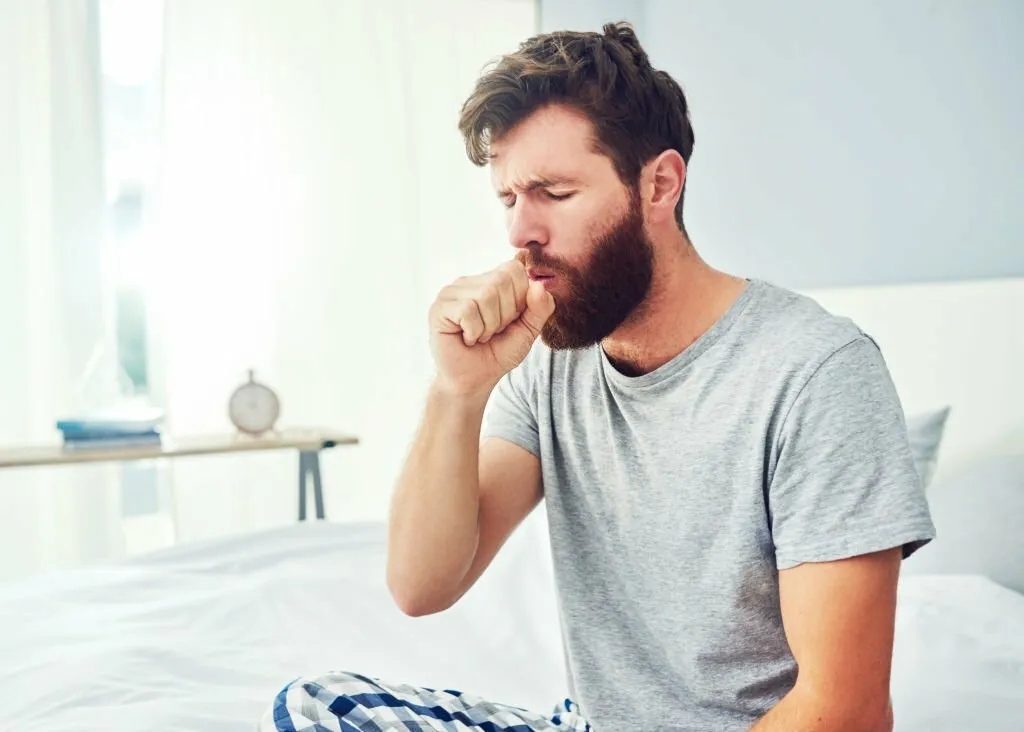
A hearty laugh turning into a sudden coughing fit catches most people off guard the first time it happens.
This reaction is far more common than many realize, and it usually comes down to how the body handles a sudden rush of air through sensitive airway tissue.
Why do I cough when I laugh? is one of the questions patients bring up most often during routine visits. It usually happens because the coughing feels disruptive or embarrassing in social settings.
This guide explains what actually happens in the body during laughter, the underlying conditions that make coughing more likely, and when the symptom deserves a closer look from a doctor.
What Happens in The Body During Laughter
Laughing is a much bigger physical event than most people give it credit for. If you get fits of coughs, complementary every time you laugh, it’s not wrong to think, “Why do I cough when I laugh?”
During a deep laugh, the diaphragm contracts forcefully, pushing a strong burst of air out through the lungs and up through the throat.
That rapid airflow passes directly over sensitive nerve receptors lining the airway, and those receptors interpret the sudden rush as a potential irritant.
Consequently, the brain triggers the cough reflex as a protective response, treating the fast-moving air almost the same way it would treat dust or smoke.
Additionally, laughing causes rapid changes in chest pressure, which can further stimulate these same airway receptors. For most people, this reaction, “Why do I cough when I laugh?” stays mild and only shows up during especially long or intense laughing spells.
Common Conditions That Make This Worse
Some people cough during laughter far more easily than others. An underlying respiratory sensitivity usually explains the difference.
Asthma ranks among the most frequent contributors. Inflamed and narrowed airways react more aggressively to the sudden airflow changes that laughter creates.
Similarly, postnasal drip leaves excess mucus sitting in the throat. One wave of forceful air from laughing can dislodge that mucus and trigger a reflexive cough.
Also, acid reflux plays a role too, since laughing engages the diaphragm and abdominal muscles in a way that can push stomach acid upward into the esophagus.
Once that acid reaches sensitive throat tissue, coughing often follows within moments. A dry throat compounds all of these triggers, since dry, irritated tissue reacts more strongly to any kind of airflow disturbance, including laughter.
Why This Reaction Is Usually Harmless
Occasional coughing during a good laugh rarely signals anything serious. Most people experience it from time to time without any lasting effects.
The body is essentially responding to a temporary irritant, much like it would after inhaling a puff of dust, and the cough clears on its own within seconds.
Staying well hydrated keeps throat tissue moist, which noticeably reduces how often this kind of coughing occurs. Avoiding smoke and other airborne irritants also helps, since already inflamed airways react more strongly to the added stress of forceful laughter.
For people managing asthma or GERD, sticking closely to prescribed treatment plans tends to reduce laughter-related coughing.
When to See A Doctor
An occasional cough while you burst into laughter may seem endearing. But if it becomes the new normal and your signature in social circles, it is best to get it checked.
These frequent and severe fits of coughing every time you laugh are a classic indicator of an underlying condition. You are not wrong to worry: Why do I cough when I laugh every time?
It is advised to get it checked by a professional. Symptoms that disrupt sleep or daily activities also warrant a visit, since ongoing irritation rarely improves without addressing the root cause.
Moreover, chest pain, a rapid heartbeat, or noticeable shortness of breath during these episodes should never be ignored. These signs point to something beyond simple airway sensitivity.
A doctor can run the right tests to identify whether asthma, reflux, or another condition is driving the reaction, then build a treatment plan that actually addresses the cause instead of just the symptom.
Frequently Asked Questions
Why can’t I laugh without coughing?
This usually happens because your airways are especially sensitive to the rapid airflow changes that laughter creates. Also, respiratory conditions like asthma, postnasal drip, or acid reflux often make this reaction more frequent.
Why do people laugh so hard they cough?
Intense laughter forces a strong, fast burst of air through the throat. It stimulates nerve receptors that trigger the cough reflex. The harder and longer the laugh, the more likely those receptors are to react.
Is it normal to cough when I laugh?
Yes, occasional coughing during laughter is common and usually harmless, especially during long or particularly hard laughing spells. Frequent or severe episodes, however, are worth discussing with a doctor to rule out an underlying condition.
Why do I cough every time I try to laugh?
Coughing with nearly every laugh often points to heightened airway sensitivity from asthma, reflux, or chronic throat irritation. Since this pattern is more persistent than typical occasional coughing, a medical evaluation can help identify the specific cause.
Parting Thoughts
A cough during laughter usually reflects nothing more than a sensitive airway responding to a sudden burst of air. That said, frequent or severe episodes deserve a proper evaluation, and our team at Deptford Medical Center is ready to help identify the cause and get you back to laughing without interruption.