
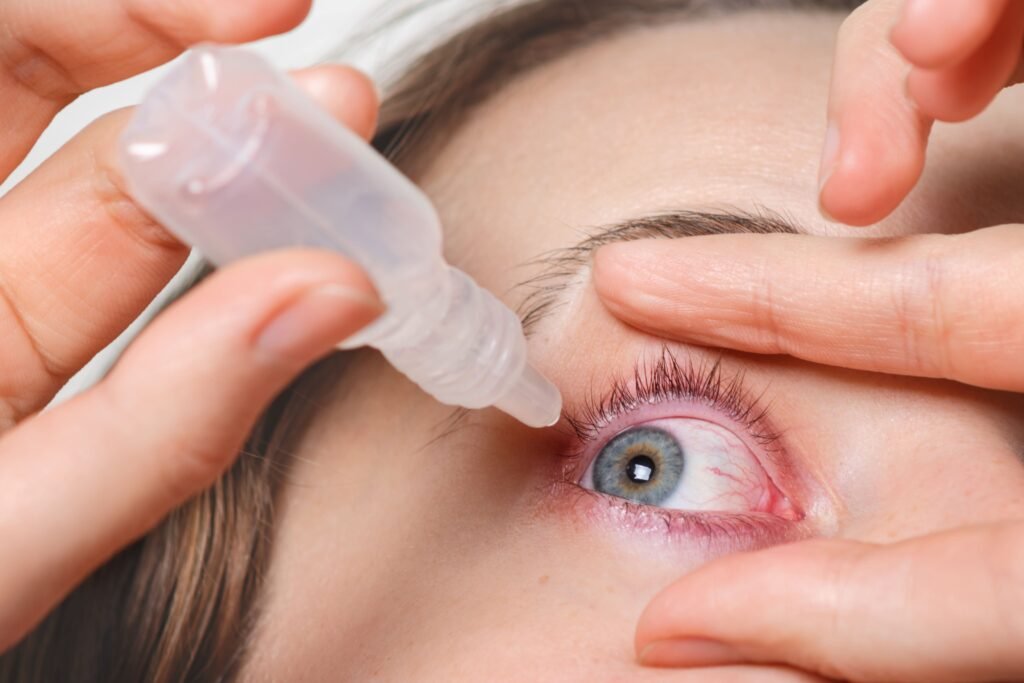
One fine morning, you wake up with red eyes. Later in the day, they start to crust. Sound familiar? That unexpected problem could be pink eye. It is common, uncomfortable, and usually manageable if you know what to do. Pink eye infection, also called conjunctivitis, affects millions of people every year. It can affect both children and adults, and many people visit primary or urgent care when symptoms come on suddenly.
What Exactly is Pink Eye?
Pinkeye is inflammation of the conjunctiva, the thin, clear tissue that lines the inside of your eyelid and covers the white part of your eye. When this tissue becomes irritated or infected, the blood vessels swell. That is what gives the eye its pink or red appearance.
There are several types of pink eye, including bacterial, viral, and allergic conjunctivitis. Each type has a different cause and may need a different kind of treatment.
What Causes Pink Eye Infection?
The cause depends on the type. Viral conjunctivitis is often linked to the same viruses that cause colds and the flu. Adenoviruses are one of the most common causes. Bacterial conjunctivitis is caused by bacteria such as Staphylococcus aureus or Streptococcus pneumoniae. Newborns can also develop a bacterial eye infection after exposure during birth.
Allergic conjunctivitis happens when the immune system reacts to triggers like pollen, pet dander, dust mites, or certain chemicals. People who wear contact lenses may also have a higher risk because of lens contamination or wearing lenses for too long.

Is Pink Eye Infection Contagious?
Yes, but only some types are. Viral and bacterial conjunctivitis can spread easily from person to person. The infection is often passed through direct contact with eye discharge. It can also spread by touching contaminated surfaces and then touching your eyes. Sharing towels, pillowcases, or makeup brushes can also pass it along. Allergic conjunctivitis is not contagious because it is not caused by an infection.
Pink Eye Symptoms: What to Watch For
Early pink eye symptoms can look like other eye problems, so it is important to pay attention. Common signs include:
- Redness in one or both eyes
- Discharge or crusting
- Itching or burning
- Swollen eyelids
- Sensitivity to light
What Gets Misdiagnosed as Pink Eye?
This is something many people do not realize. Several eye conditions can look like pink eye. Dry eye syndrome can cause redness and irritation, but it needs a different treatment. Iritis, which is inflammation inside the eye, may also look similar but needs urgent care. Styes, blepharitis, and corneal abrasions can also have some of the same symptoms.
That is why it is important not to assume that every red eye is pink eye. A proper exam matters, whether you start with a primary care provider or seek same-day help for more serious symptoms.
Red Eye Infection Treatment Options
Treatment depends on the cause:
- Bacterial conjunctivitis often improves with antibiotic eye drops or ointment.
- Viral conjunctivitis does not respond to antibiotics. In most cases, it clears up on its own within one to two weeks. In the meantime, cool compresses and artificial tears can help ease discomfort.
- Allergic conjunctivitis usually improves with antihistamine eye drops and by avoiding the trigger whenever possible.
Will Pink Eye Go Away on Its Own?
Sometimes, yes. Mild viral pink eye often clears up without treatment. Bacterial conjunctivitis may also improve on its own in healthy adults, but treatment can help speed recovery and lower the chance of spreading it to others.
Allergic conjunctivitis usually continues until the allergen is removed or the reaction is treated. Still, you should not wait it out if symptoms get worse, pain increases, or your vision changes.
When to See a Doctor
You should seek medical attention if your symptoms include blurred vision, significant pain, worsening redness, or no improvement after about a week. You should also be seen if you wear contact lenses.
If a newborn shows any sign of an eye infection, do not wait. Come to Deptford Medical Center right away for an evaluation. Whether you need primary care follow-up or fast urgent care for sudden eye symptoms, early treatment can make a big difference.
How Do People Get Eye Infections?
Most cases happen through direct contact with an infected person, contaminated surfaces, or allergens. Children often catch it in schools and daycares. Adults may pick it up in workplaces, shared spaces, or through poor hand hygiene.
Washing your hands often, avoiding touching your face, and not sharing personal items can lower your risk.
Protect Your Eyes Before Problems Start
Pink eye is uncomfortable, contagious in many cases, and easy to mistake for something else. Knowing the symptoms and understanding the type of conjunctivitis you may have can help you take the right next step.
If your eyes are red, irritated, or have discharge, do not ignore it. The team at Deptford Medical Center can examine your symptoms, confirm the cause, and start the right treatment. Whether you need trusted primary care or prompt urgent care, getting checked early can help protect your vision and prevent the infection from spreading.