
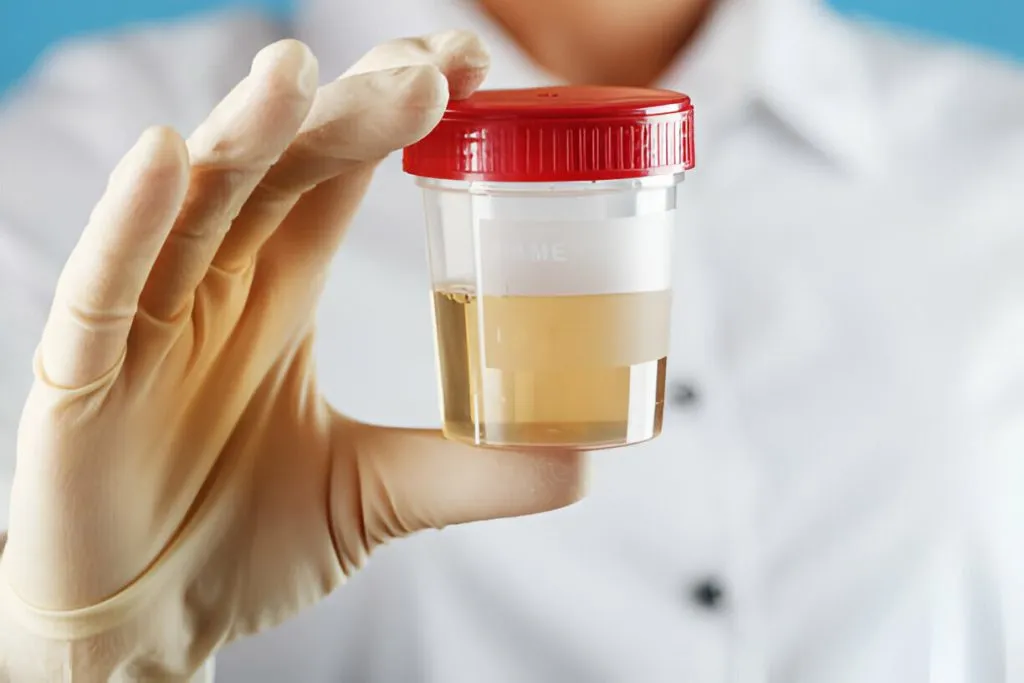
How Long Is Urine Good for a Drug Test? A Complete Guide to Urine Storage and Sample Integrity
Urine drug testing is commonly used for clinical care, medication monitoring, workplace screening, rehabilitation programs, and legal or regulatory purposes. However, the way a sample is collected, stored, transported, and tested can affect whether the laboratory considers it suitable for analysis.
So, how long is urine good for a drug test?
There is no single storage limit that applies to every urine drug test. Some laboratory test menus permit only a few hours at room temperature, while others accept properly handled samples for several days. Refrigerated or frozen stability also varies according to the test method, container, preservative requirements, and laboratory protocol.
The safest answer is to provide a fresh sample and follow the exact instructions from the collecting facility. Do not collect urine in advance, refrigerate it, freeze it, or transport it yourself unless a healthcare professional or laboratory has specifically instructed you to do so.
Medical note: This article provides general information about legitimate specimen collection and storage. It does not replace instructions from your healthcare provider, employer, testing facility, or laboratory.
How Long Is Urine Good for a Drug Test? The Quick Answer
A fresh urine sample is generally preferred because it simplifies specimen verification and reduces uncertainty about storage and handling.
For supervised workplace testing, the sample is normally collected at the authorized collection site and processed through established chain-of-custody procedures. Under current U.S. Department of Transportation rules, the collector must check the sample’s temperature within four minutes of receiving it. The expected range is 90°F to 100°F, or 32°C to 38°C.
For clinical toxicology testing, the permitted storage time depends on the specific laboratory test. Published examples include:
| Storage Condition | Possible Laboratory Limit | Important Qualification |
|---|---|---|
| Room temperature | From a few hours to about three days | Depends entirely on the ordered test |
| Refrigerated | Often longer than room temperature | The laboratory may prefer refrigeration |
| Frozen | Accepted for some tests | Only freeze when instructed |
| Fresh onsite collection | Preferred for many workplace tests | Temperature and chain of custody may be checked |
These are not universal limits. For example, Deptford Medical Laboratories’ toxicology screen lists an ambient stability of only three hours, while a fentanyl urine screen lists 72 hours at ambient temperature. A Labcorp comprehensive drug profile permits room-temperature submission or transport for less than three days.
That variation is why patients should never assume that a general internet storage guideline applies to their particular test.
Why Is There No Universal Urine Expiration Time?
The phrase “urine drug test” can refer to many different laboratory procedures.
A healthcare provider may order a test to
- Screen for specific drug classes
- Confirm a preliminary result
- Monitor prescribed medications.
- Evaluate possible intoxication
- Meet workplace requirements
- Maintain legal chain of custody
- Support a substance-use treatment program
Each test can have different specimen-volume requirements, containers, analytical methods, stability limits, and rejection criteria.
One laboratory may use an immunoassay screening method, while another may use liquid chromatography-tandem mass spectrometry or another confirmatory technique. A storage condition validated for one test should not automatically be applied to a different test.
How Long Is Urine Good at Room Temperature for a Drug Test?
Room-temperature stability varies considerably.
One Mayo Clinic Laboratories test for prescription and over-the-counter drugs lists urine as stable for three hours at ambient temperature. In contrast, a separate Mayo fentanyl screen lists 72 hours at ambient temperature.
Labcorp’s comprehensive urine drug profile permits room-temperature submission or transportation for less than three days.
These differences demonstrate an important point: room-temperature urine does not have one medically correct expiration time for every drug test.
The answer depends on:
- The exact test ordered
- The collection container
- Whether a preservative is present
- The temperature during storage
- Transportation conditions
- Chain-of-custody requirements
- The laboratory’s validated procedure
If a testing center gives you a collection kit, follow the instructions included with that kit. When no instructions are provided, contact the laboratory before collecting the sample.
Do not leave a sample sitting at room temperature while waiting for general advice online.
Can You Use Three-Day-Old Urine for a Drug Test?
A 3-day-old urine sample is not automatically acceptable or unacceptable. Its suitability depends on the specific test and how the sample was handled.
Some published test requirements allow urine to remain at room temperature for up to approximately 72 hours. Other tests allow only a few hours under the same general condition. Some tests require refrigeration, while workplace programs may require a freshly provided sample collected under controlled procedures.
Therefore, the answer to “Can you use three-day-old urine for a drug test?” is:
Only when the testing laboratory has confirmed that the sample type, container, temperature, storage period, and collection process meet its requirements.
Do not bring an old sample to a workplace or legal drug test unless the authorized testing program specifically requested an offsite collection. A sample collected outside the approved process may not satisfy chain-of-custody or specimen-validity requirements.
When in doubt, provide a new sample.
How to Store Urine for a Drug Test Safely
The correct storage procedure should come from the healthcare provider or laboratory performing the test.
For legitimate medical collection, general steps may include:
- Use only the container supplied or approved by the facility.
- Follow the laboratory’s collection instructions.
- Seal and label the specimen as directed.
- Record the collection time when requested.
- Maintain the specified transport temperature.
- Deliver the specimen within the stated time limit.
- Tell the laboratory about any delay or temperature problem.
Do not transfer the urine into a household bottle, food container, or previously used container. Do not add water, chemicals, cleaning products, preservatives, or any other substance unless the laboratory supplied and instructed you to use a specific preservative.
Laboratories may perform specimen-validity testing to identify dilution, substitution, or adulteration. Depending on the panel, this testing may examine creatinine, specific gravity, pH, nitrites, or oxidants.
Does Urine Need to Be Refrigerated?
Some urine drug-testing protocols prefer refrigeration, but not every test uses the same requirement.
For example, Deptford Medical lists refrigeration as the preferred condition for several urine toxicology and specimen-validity tests, with published stability periods of up to 14 days for those particular assays. However, these limits apply only to the tests and conditions described in those laboratory test menus.
Refrigeration should not be treated as a universal way to make any urine sample acceptable.
Refrigerating a sample cannot correct the following:
- An improper collection
- A contaminated container
- Missing identification
- A broken chain of custody
- An excessive transport delay
- Storage outside the required temperature range
- Failure to follow collection-site instructions
Ask the testing facility whether refrigeration is required, permitted, or prohibited before collecting the specimen.
Can You Freeze Urine for a Drug Test?
Some laboratories accept frozen urine for specific clinical toxicology tests. For example, Deptford Medical Laboratories test menus list a frozen stability of 14 days for the assays described on those pages.
However, that does not mean patients should routinely freeze samples at home.
Freezing may be inappropriate when:
- The test requires a fresh onsite sample
- Chain of custody must begin at collection
- The container is not suitable for freezing
- The laboratory requires refrigeration instead
- The sample has already exceeded an earlier storage limit
- The laboratory has not validated frozen storage for that test
Freeze a sample only when the ordering provider or laboratory gives clear instructions to do so. Follow any instructions about the container, freezing temperature, transport, and thawing process.
How Long Does Pee Stay Good for a Drug Test?
“Pee” and “urine” refer to the same specimen, so the answer remains test-specific.
The sample may be acceptable for only a few hours under one laboratory protocol but remain suitable for several days under another. The laboratory—not a general online rule—determines whether the sample meets the requirements for the ordered analysis.
For the most reliable process:
- Use a fresh sample when possible.
- Follow the collection instructions exactly.
- Deliver it within the stated period.
- Contact the facility when a delay occurs.
- Do not guess about refrigeration or freezing.
Why Do Collection Sites Check Urine Temperature?
Temperature checking is primarily associated with freshly collected regulated specimens.
Under DOT collection rules, the collector checks the temperature no later than four minutes after receiving the sample. The acceptable range is 90°F to 100°F. A result outside that range can lead to an additional collection under the applicable procedures.
Temperature is not the only factor used to evaluate a specimen. Collectors may also inspect it for unusual color, foreign material, unusual odor, or other possible signs of tampering. Laboratories may perform separate validity testing involving creatinine, specific gravity, pH, nitrites, or oxidants.
Should You Try to Keep Urine Warm for a Drug Test?
No. Do not attempt to heat, cool, microwave, chemically alter, or otherwise manipulate a urine sample.
For an authorized workplace test, provide the specimen according to the collector’s instructions. The collection process is designed to evaluate whether the sample is consistent with a freshly provided human urine specimen. Attempting to change its temperature may result in an invalid or suspicious sample and may trigger additional collection procedures.
For a legitimate medical sample collected at home, follow the storage and transport directions supplied by the clinic. Those instructions may involve refrigeration or another controlled condition, but they should not involve trying to recreate body temperature.
What Is Sample Integrity?
Sample integrity means that the specimen remains suitable for the intended test and has been collected, stored, transported, and documented properly.
Depending on the testing program, the laboratory or collector may consider the following:
- Collection time
- Specimen temperature
- Container type
- Required urine volume
- Seal condition
- Identification and labeling
- Chain-of-custody documentation
- Creatinine concentration
- Specific gravity
- pH
- Nitrites or oxidants
- Signs of contamination or adulteration
Labcorp explains that specimen-validity testing may be used to detect substitution, adulteration, or dilution. Deptford Medical Laboratories similarly describes validity testing that evaluates creatinine, pH, specific gravity, oxidants, and nitrites.
A laboratory can reject a specimen or request another collection when required criteria are not met.
Is Storage Time the Same as a Drug Detection Window?
No. These are two different concepts.
- Specimen stability describes how long a collected urine sample remains suitable for a particular laboratory procedure under stated storage conditions.
- Drug detection time refers to how long a drug or its metabolites may remain detectable in a person’s urine after use.
A sample might be stored correctly but contain no detectable amount of the substance being tested. Conversely, a substance might still be biologically detectable, but the specimen could be unsuitable because it was collected or stored incorrectly.
Detection periods also vary according to the substance, dose, frequency of use, metabolism, hydration, testing method, and cutoff concentration. A healthcare professional or medical review officer should interpret results in the appropriate clinical context.
Can a Urine Sample Become Too Old for Testing?
Yes. A laboratory may decide that a sample is too old or was stored under unacceptable conditions.
Possible reasons for rejection or recall include the following:
- The sample exceeded the test’s stability limit.
- The required storage temperature was not maintained.
- The container leaked or was unsuitable.
- Identification was missing or inconsistent.
- The chain of custody was incomplete.
- The sample showed possible contamination or tampering.
- There was not enough urine to complete the ordered testing.
In DOT-regulated collections, at least 45 mL of urine is generally required, and collectors must follow specific procedures when the volume is insufficient. Other medical tests can have different volume requirements.
What Should You Do If Testing Is Delayed?
Contact the clinic or laboratory immediately.
Tell them:
- When the sample was collected
- Which container was used
- Where it has been stored
- The approximate storage temperature
- Whether it was refrigerated or frozen
- How long delivery will be delayed
- Whether the seal remains intact
The laboratory can tell you whether to submit the existing sample or collect a new one. Do not change the storage condition without asking, because moving a sample between room temperature, refrigeration, and freezing may conflict with the test protocol.
Frequently Asked Questions
How long is a urine sample good for?
It depends on the exact laboratory test. Published limits range from a few hours at room temperature to several days. Refrigerated or frozen samples may remain acceptable longer for certain assays, but only the testing laboratory can confirm the correct limit.
How long does urine stay good for a drug test?
Use a fresh specimen whenever possible. When storage is necessary, follow the test-specific instructions for the container, temperature, and delivery time.
How long does pee last for a drug test at room temperature?
There is no universal answer. One laboratory test may permit only three hours, while another may allow up to 72 hours. Always check the requirements for the ordered test.
Can a three-day-old urine sample still be tested?
Possibly, but only if the laboratory’s validated procedure permits that storage period and all collection and transport requirements were followed. Otherwise, the facility may require a new specimen.
Can you refrigerate urine overnight for a drug test?
Only when the healthcare provider or laboratory instructs you to refrigerate it. An overnight sample may be acceptable for some clinical tests but inappropriate for others.
Can you freeze urine for later testing?
Some clinical laboratories accept frozen urine for specific tests. Do not freeze a sample unless the laboratory specifically permits it.
Can an old urine sample cause an inaccurate result?
Improper storage, excessive delay, contamination, or failure to follow the laboratory’s protocol can affect specimen suitability. The laboratory may reject the sample, report a validity issue, or request recollection.
Why was my urine sample rejected?
Possible reasons include improper temperature, inadequate volume, labeling problems, an unsuitable container, leakage, expired stability, incomplete chain of custody, or specimen-validity concerns.
Can I collect a workplace drug test sample at home?
Generally, regulated workplace samples are collected through an authorized process. Follow the instructions from the employer or collection site rather than bringing a sample collected independently.
What is the safest way to store urine for a medical test?
Use the supplied container and follow the written instructions from the clinic or laboratory. Call the facility if the instructions are missing or if delivery will be delayed.
Contact Deptford Medical
Contact Deptford Medical before collecting a sample at home if you are unsure about the container, storage temperature, or delivery deadline.
The clinic can provide instructions based on the specific test ordered. Following those directions is more reliable than applying a general storage rule found online.
Conclusion
When asking how long urine is good for a drug test, remember that there is no single expiration time for every sample.
Some tests allow only a few hours at room temperature, while others may accept properly stored urine for several days.
Refrigeration or freezing can extend stability for certain laboratory assays, but these methods should be used only when the testing facility recommends them.
Fresh collection and prompt delivery remain the best approach. Use the approved container, follow the laboratory’s instructions, and contact the testing facility whenever storage or transportation is delayed.