
If you’re asking “How long does pee last for a drug test?” you may be referring to one of two things. First, you might want to know how long a urine sample remains suitable for laboratory testing after it has been collected. Second, you may be asking how long drugs remain detectable in urine before they can no longer be identified during a drug screening.
Although these questions sound similar, they involve two different aspects of urine drug testing. A urine sample has a limited period during which it maintains its integrity, while drugs remain detectable in urine for varying lengths of time depending on the substance, frequency of use, and individual health factors.
Understanding both topics is important for anyone undergoing a workplace, medical, legal, or sports-related drug test. Laboratories follow strict procedures to preserve sample quality and verify that test results are accurate. At the same time, different drugs have different detection windows, meaning they can remain identifiable in urine for days or even weeks after use.
This guide explains how long a urine sample stays valid, how laboratories assess specimen quality, how long drugs typically remain detectable in urine, and the factors that influence both.
What Does “How Long Does Pee Last for a Drug Test?” Mean?
The phrase “how long does pee last for a drug test” can have more than one meaning. Knowing which question you are asking helps you understand the answer more clearly.
Some people are referring to the urine sample itself. They want to know how long it remains suitable for laboratory analysis after collection and whether storage conditions affect its reliability.
Others are asking about drug detection. In this case, they want to know how long a specific drug remains detectable in urine after it has been used.
Although these topics are closely related, they are evaluated differently during laboratory testing.
- Urine Sample Validity
Once urine has been collected, it begins to change naturally. Temperature decreases, bacteria may multiply, and chemical properties can gradually shift. These changes can affect the quality of the specimen if it is not stored correctly.
To minimize these effects, laboratories follow established specimen handling procedures. Fresh samples are processed promptly whenever possible, while delayed testing requires appropriate storage to preserve sample integrity.
- Drug Detection in Urine
Drug detection refers to how long traces of a drug or its metabolites remain present in urine. Detection times vary widely depending on several factors, including:
- The type of drug used
- The amount taken
- How often the drug is used
- Individual metabolism
- Kidney function
- Hydration status
- Overall health
Later in this guide, you will find typical detection windows for commonly tested substances.
How Long Does a Urine Sample Stay Valid for a Drug Test?
A urine sample does not become unusable immediately after collection, but its quality gradually changes over time. Proper handling and storage help preserve the specimen so that laboratory testing can produce reliable results.
The acceptable storage period depends largely on temperature and how quickly the sample reaches the testing laboratory.
- Freshly Collected Urine
Fresh urine provides the most reliable specimen for drug testing.
Immediately after collection, laboratories check several characteristics before analysis begins. These include specimen temperature, appearance, and, where appropriate, validity testing to confirm that the sample has not been altered or contaminated.
Most collection sites aim to transfer specimens for testing as soon as possible to reduce the risk of deterioration.
- At Room Temperature
If left at room temperature, urine generally remains suitable for laboratory testing for a relatively short period.
Over time, naturally occurring bacteria can multiply, while changes in pH and other chemical characteristics may begin to occur. The sample’s appearance and odor may also change, particularly if it is exposed to warm conditions.
Because of these natural changes, prolonged storage at room temperature is generally avoided when laboratory analysis cannot be performed promptly.
- When Refrigerated
Refrigeration slows bacterial growth and helps preserve the chemical composition of urine.
Keeping a specimen refrigerated is a standard laboratory practice when immediate testing is not possible. Lower temperatures reduce biological activity and help maintain sample stability until analysis can be completed.
Samples should remain sealed in clean, appropriate specimen containers to minimize contamination during storage.
- When Frozen
Freezing may be appropriate for certain laboratory or research purposes when long-term specimen preservation is required.
However, freezing and thawing can alter some physical and chemical properties of urine. For this reason, laboratories follow validated protocols when frozen specimens are used and interpret results within established quality standards.
Routine drug testing programs generally rely on prompt collection and controlled storage rather than prolonged freezing.
Factors That Affect Sample Integrity
Several factors determine how long a urine specimen remains suitable for testing.
- Temperature
Temperature is one of the most important factors affecting specimen quality. Excessive heat encourages bacterial growth, while appropriate cooling helps preserve the sample until analysis.
- Bacterial Growth
Urine naturally contains substances that allow bacteria to multiply over time. As bacterial numbers increase, they can alter the chemical composition of the specimen and reduce its suitability for testing.
- Air Exposure
Leaving a specimen container open may introduce environmental contaminants and increase evaporation. Properly sealed containers help maintain specimen quality during transport and storage.
- Storage Time
Even under suitable storage conditions, urine is not intended to be stored indefinitely before testing. The longer a specimen remains untested, the greater the likelihood of gradual changes that may influence laboratory findings.
- Collection Containers
Laboratories use sterile, tamper-evident collection containers designed to minimize contamination and maintain specimen integrity throughout transport and analysis.
Using inappropriate containers may increase the risk of contamination or compromise specimen quality.
How Laboratories Determine Whether a Urine Sample is Still Suitable
Before analyzing a urine specimen for drugs, laboratories assess whether the sample meets quality standards. This process helps ensure that results accurately reflect the collected specimen and are not affected by contamination, deterioration, or improper handling.
Quality assessment is a routine part of laboratory testing and follows established procedures designed to maintain reliable results.
- Temperature Checks
One of the first checks performed after collection is measuring the specimen’s temperature.
Freshly collected urine falls within an expected temperature range shortly after collection. A temperature outside this expected range may prompt further evaluation because it can indicate delayed collection, improper handling, or other issues affecting specimen quality.
Temperature alone does not determine the final result, but it forms one part of the overall specimen assessment.
- Creatinine and Specific Gravity
Laboratories commonly measure creatinine concentration and specific gravity as part of specimen validity testing.
These measurements help determine whether the urine falls within expected physiological ranges. Results that differ substantially from normal values may require additional review to determine whether the specimen has been diluted or otherwise affected.
These tests support accurate interpretation rather than confirming the presence or absence of drugs.
- pH Levels
Urine normally falls within a recognized pH range.
Significant changes in acidity or alkalinity may occur naturally over time or may result from contamination. Measuring pH helps laboratories assess whether the specimen remains suitable for analysis and whether further investigation is required.
- Visual Inspection
Laboratory personnel also examine the specimen visually.
During inspection, they may assess:
- Colour
- Clarity
- Presence of visible particles
- Unusual sediment
- Signs of contamination
Visual examination complements laboratory measurements and provides additional information about specimen quality.
- Laboratory Validity Testing
Modern drug-testing laboratories use specimen validity testing as an important quality-control measure.
Rather than relying on a single indicator, laboratories evaluate multiple characteristics together to determine whether a specimen remains appropriate for testing. This comprehensive approach helps ensure that reported results are based on a specimen that meets accepted laboratory standards.
How Long Do Drugs Stay Detectable in Urine?
One of the most common questions people ask before a urine drug test is how long a particular drug can be detected. The answer is not the same for everyone. Drug detection windows vary depending on the substance used, the amount taken, and individual factors such as metabolism and overall health.
Urine drug tests do not usually detect the drug itself. Instead, they identify drug metabolites, which are by-products produced when the body breaks down a substance. These metabolites can remain in urine for different lengths of time, even after the effects of the drug have worn off.
It is also important to understand that the detection windows below are estimates. They represent typical timeframes under normal circumstances and should not be viewed as exact cut-off periods. Laboratory methods, the type of test used, and individual biological differences can all influence how long a drug remains detectable.
Typical Drug Detection Windows in Urine
| Drug | Typical Detection Window |
|---|---|
| Cannabis (THC) | Occasional use: up to 3 days; moderate use: 5–7 days; daily use: 10–30 days or longer |
| Cocaine | Approximately 2–4 days |
| Amphetamines | About 2–4 days |
| Methamphetamine | Around 2–5 days |
| MDMA (Ecstasy) | Approximately 2–4 days |
| Opioids (e.g., morphine, codeine) | Around 1–3 days |
| Oxycodone | Approximately 2–4 days |
| Benzodiazepines | Short-acting: 3–7 days; long-acting: several weeks in some cases |
| PCP (Phencyclidine) | About 5–14 days; longer with heavy use |
| Barbiturates | Short-acting: 1–3 days; long-acting: up to 2–3 weeks |
These are general estimates and may vary depending on the individual and the laboratory testing method.
Why Detection Times Vary
Although two people may use the same substance, it does not necessarily mean they will have identical drug test results. Every person’s body processes and eliminates drugs differently.
Several biological and lifestyle factors influence how long metabolites remain in urine. These include age, body composition, kidney function, hydration, medication use, and how frequently the substance has been taken.
For example, a person who uses cannabis occasionally may test negative after only a few days, whereas someone who uses it daily may continue to produce detectable metabolites for several weeks.
Likewise, long-acting prescription medicines, such as certain benzodiazepines, naturally remain in the body for longer than short-acting formulations because they are broken down more slowly.
Understanding these differences helps explain why there is no universal answer to the question, “How long does pee last for a drug test?” When discussing drug detection, the focus is on how long metabolites remain in the urine rather than how long the urine sample itself stays usable.
What Can Affect How Long Drugs Stay in Urine?
Drug detection windows are influenced by much more than the type of substance used. Individual health characteristics and lifestyle factors can significantly affect how quickly the body processes and removes drug metabolites.
While no single factor determines the exact detection period, the following can all play a role.
- Frequency of Use
One of the most significant factors is how often a drug is used.
Occasional users generally eliminate drug metabolites more quickly than people who use the same substance regularly. Repeated use allows certain drugs and their metabolites to accumulate in the body, which can extend the detection window.
This is particularly noticeable with cannabis, where regular use often results in longer detection times than occasional use.
- Dose Taken
The amount of a drug consumed also influences how long it remains detectable.
Higher doses produce greater amounts of metabolites, which may take longer for the body to eliminate than smaller doses.
- Metabolism
Metabolism refers to how efficiently the body breaks down substances.
People with faster metabolic rates may process certain drugs more quickly than those with slower metabolisms. However, metabolism is only one of several factors and should not be considered in isolation.
- Body Composition
Some drugs, particularly cannabis, are stored in body fat before being gradually released over time.
Individuals with a higher proportion of body fat may retain these metabolites for longer than those with lower body fat percentages, although many other variables also contribute.
- Kidney Function
Healthy kidneys play an important role in filtering waste products and removing drug metabolites through urine.
Reduced kidney function may affect how efficiently certain substances are eliminated, although this varies depending on the drug involved and the individual’s overall health.
- Hydration
Fluid intake influences the concentration of urine but does not rapidly eliminate drugs from the body.
Drinking water supports normal kidney function and healthy hydration, but excessive fluid intake should not be viewed as a reliable way to alter drug detection times. Modern laboratories routinely assess specimen validity, including measures that help identify unusually dilute urine samples.
- Age
Age can influence how the body processes medications and other substances.
As people grow older, natural changes in liver and kidney function may affect the rate at which some drugs are metabolized and eliminated.
- Overall Health
General health also contributes to how efficiently the body processes drugs.
Conditions affecting the liver, kidneys, or other organs involved in metabolism may influence elimination times. Certain prescription medications can also interact with drug metabolism, although the effects vary depending on the individual and the substances involved.
Why There is No Exact Detection Time
It is natural to look for a single answer to questions such as, “How long does drugs stay in urine?” or “How long does pee last for a drug test?” However, no healthcare professional or laboratory can provide an exact timeframe for every individual.
Drug detection depends on a combination of the following:
- The specific drug involved
- Frequency and duration of use
- Dose taken
- Individual metabolism
- Kidney and liver function
- Overall health
- The sensitivity of the laboratory test
Because these variables differ from person to person, detection windows should always be considered estimates rather than guarantees. For this reason, healthcare providers and accredited laboratories interpret urine drug test results within the context of the individual’s medical history, the testing method used, and established laboratory standards.
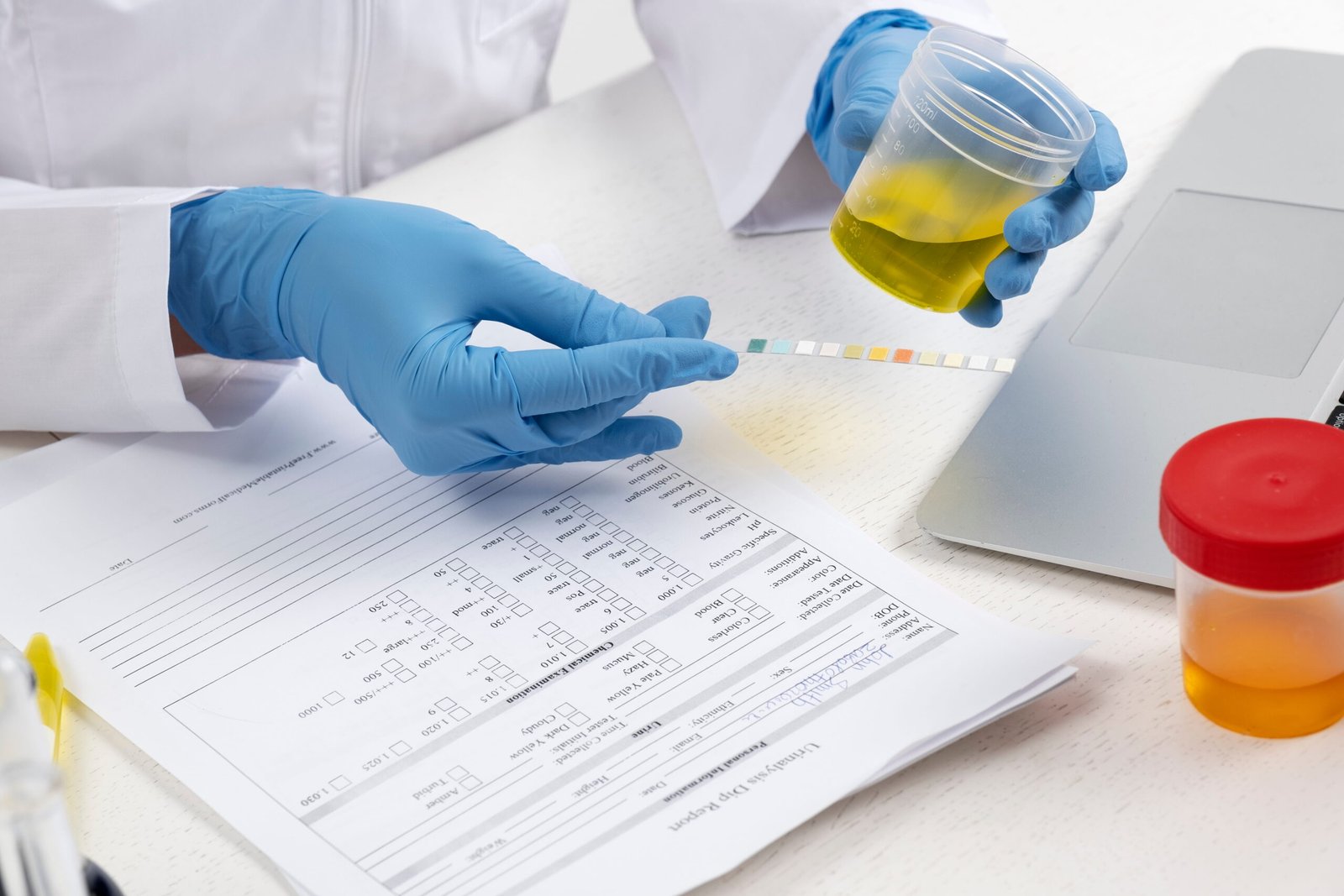
Can You Store Urine Before a Drug Test?
In some situations, a urine sample cannot be analyzed immediately after it has been collected. Healthcare facilities and accredited laboratories have established procedures for storing specimens when testing is delayed. These procedures help preserve sample quality and ensure that test results remain reliable.
Proper storage is particularly important because urine is a biological specimen. Once collected, it naturally begins to undergo physical and chemical changes. Without appropriate handling, these changes may affect the integrity of the sample and make it unsuitable for analysis.
For routine medical and workplace drug testing, laboratories aim to transport and process urine samples as quickly as possible. If immediate testing is not feasible, specimens are typically stored under controlled conditions that minimize bacterial growth and preserve their chemical properties.
It is equally important that the sample remains sealed in the original collection container. Tamper-evident containers, correct labeling, and a documented chain of custody help ensure that the specimen can be accurately linked to the individual who provided it and that it has not been compromised during transport.
When a sample has been stored correctly and handled according to laboratory protocols, delayed testing can often be performed without affecting the accuracy of the results.
Common Myths About Urine Drug Testing | How Long Does Pee Last for a Drug Test
There is a great deal of misinformation surrounding urine drug tests, particularly online. Misunderstandings about how these tests work can lead to unrealistic expectations or unnecessary concern.
Below are some of the most common myths and the facts behind them.
Myth 1: Drinking Large Amounts of Water Removes Drugs Immediately
Many people believe that consuming excessive amounts of water can quickly remove drugs from the body.
In reality, hydration may temporarily dilute urine, but it does not rapidly eliminate drug metabolites. Accredited laboratories routinely perform specimen validity testing and can identify unusually dilute samples during analysis.
Myth 2: Home Remedies Can Guarantee a Negative Drug Test
Various home remedies are often promoted as ways to “cleanse” the body before a urine drug test.
However, there is no reliable scientific evidence that these methods consistently remove drug metabolites or guarantee a particular test result. The body’s natural metabolism determines how drugs are broken down and eliminated.
Myth 3: Urine Never Changes After Collection
Some people assume that a urine sample remains exactly the same regardless of how long it is stored.
In fact, urine begins to change naturally after collection. Temperature decreases, bacteria may multiply, and chemical characteristics can gradually alter over time. This is why laboratories follow strict storage and handling procedures to preserve specimen quality.
Myth 4: All Drugs Stay in Urine for the Same Length of Time
Drug detection windows vary considerably between substances.
For example, some opioids may only be detectable for a few days, whereas cannabis metabolites may remain detectable for several weeks in regular users. Detection time depends on both the substance itself and individual biological factors.
Myth 5: Every Urine Drug Test Is the Same
Not all urine drug tests use identical methods.
Different healthcare providers, employers, and laboratories may use different screening panels depending on the purpose of testing. If an initial screening result requires confirmation, more specific laboratory techniques may be used to verify the findings.
When is a New Urine Sample Needed?
Although most urine specimens are suitable for testing when collected and handled correctly, there are circumstances in which a laboratory or healthcare provider may request a new sample.
The sample was contaminated.
- Contamination may occur if foreign substances enter the specimen or if the collection container is not handled appropriately.
- A contaminated sample may not accurately represent the individual’s urine and could interfere with laboratory analysis.
Storage Conditions Were Unsuitable
- Improper storage can affect specimen quality.
- Exposure to excessive heat, prolonged room-temperature storage, or unsuitable containers may alter the physical or chemical characteristics of urine, making reliable testing more difficult.
The specimen failed validity testing.
- Laboratories routinely assess specimen integrity before reporting results.
- If validity testing identifies significant abnormalities, additional evaluation may be required. In some situations, the laboratory or requesting organization may ask for a repeat specimen to ensure accurate analysis.
There Was a Collection Error
- Occasionally, errors may occur during collection, transport, or documentation.
- Examples include incomplete labeling, insufficient sample volume, or problems maintaining the chain of custody. When this happens, collecting a new specimen helps ensure that testing meets accepted laboratory standards.
Frequently Asked Questions | How Long Does Pee Last for a Drug Test
Does urine need to be tested immediately after collection?
Not always. While fresh specimens are generally preferred, laboratories can preserve urine for later analysis using appropriate storage procedures. Correct handling helps maintain sample integrity until testing can be performed.
How long can a urine sample stay at room temperature?
A urine specimen should not remain at room temperature for prolonged periods because natural changes, including bacterial growth and alterations in chemical composition, may affect its quality. Laboratories therefore process or refrigerate samples as soon as practical.
Does refrigeration keep a urine sample suitable for testing?
Yes. Refrigeration slows bacterial growth and helps preserve the specimen when immediate laboratory analysis is not possible. Accredited laboratories routinely use controlled storage conditions when required.
How long do most drugs remain detectable in urine?
Detection times vary depending on the drug and the individual. Some substances are detectable for only one to three days, while others, such as cannabis in regular users or certain long-acting medications, may remain detectable for several weeks.
What factors influence drug detection in urine?
Several factors can affect detection windows, including the type of drug, frequency of use, dose, metabolism, kidney function, age, and overall health. Because these factors differ between individuals, detection times are estimates rather than exact predictions.
Why do laboratories check urine before analyzing it?
Laboratories perform specimen validity testing to ensure that the sample is suitable for analysis. Assessing factors such as temperature, appearance, and chemical characteristics helps maintain accurate and reliable test results.
Key Takeaways
Understanding how long pee lasts for a drug test involves two separate but closely related questions: how long a urine sample remains suitable for laboratory analysis and how long drugs stay detectable in urine.
A properly collected urine sample is most reliable when analyzed promptly, although laboratories can preserve specimens using appropriate storage methods if testing is delayed. Careful handling, correct storage, and specimen validity testing all help ensure accurate results.
Drug detection windows are different from sample storage times. They depend on the specific substance involved as well as individual factors such as metabolism, frequency of use, kidney function, and overall health. While general detection ranges are available, no single timeframe applies to everyone.
If you are preparing for a medical, workplace, or legal drug test and have questions about specimen collection or test procedures, it is best to seek guidance from your healthcare provider or the laboratory performing the test. They can explain the testing process and answer questions based on the specific type of drug screening being carried out.