
Climate change is actually rewriting the calendar for millions of people who suffer from seasonal allergies right now. This year is not just another normal season for pollen and sneezing.
Data from recent climate studies show that the spring allergy season 2026 started almost twenty days earlier than usual.
Warmer winters allow trees to release pollen much sooner than they did thirty years ago. This shift means your body might start reacting before you even see leaves on the trees.
You need to understand that pollen levels are also much higher than in the past. CO₂ in the air acts like a fertilizer for plants like ragweed and oak trees. These plants now produce more potent pollen that travels further on the wind.
If you feel tired or sick in February or March, then you are likely feeling these changes. From experience, we can tell that early prep is the only way to win. You must start your spring allergy medicine at least two weeks before the first bloom hits.
What Causes Spring Allergies?
Trees are the primary suspects when the weather first starts to warm up in the early months. Species like oak and birch release tiny grains that enter your nose and throat easily. These trees produce billions of pollen grains that can travel for miles on a windy day.
Most people do not realize that tree pollen is the heaviest in the early morning hours. You should keep your windows closed during this time to stay safe.
Grass pollen usually takes over as the main trigger once the late spring months arrive. This type of allergy often peaks in May and June for most regions. It is common to feel a sudden spike in symptoms after someone mows a lawn nearby.
Additionally, mold spores grow quickly in the damp soil after heavy spring rain showers. These spores are very small and can settle deep in your lungs.
Dust and other environmental triggers also play a huge role during the annual spring-cleaning time. You might stir up old dust bunnies or pet dander while cleaning out your garage or attic.
These irritants make your existing allergies feel much worse than they actually are. It is vital to wear a mask if you are doing heavy cleaning outside or inside. This simple step blocks the triggers from reaching your sensitive airways.
Identifying Spring Allergy Symptoms
Many people confuse a common cold with the start of the spring allergy season. However, allergies usually last much longer than a viral infection from a cold.
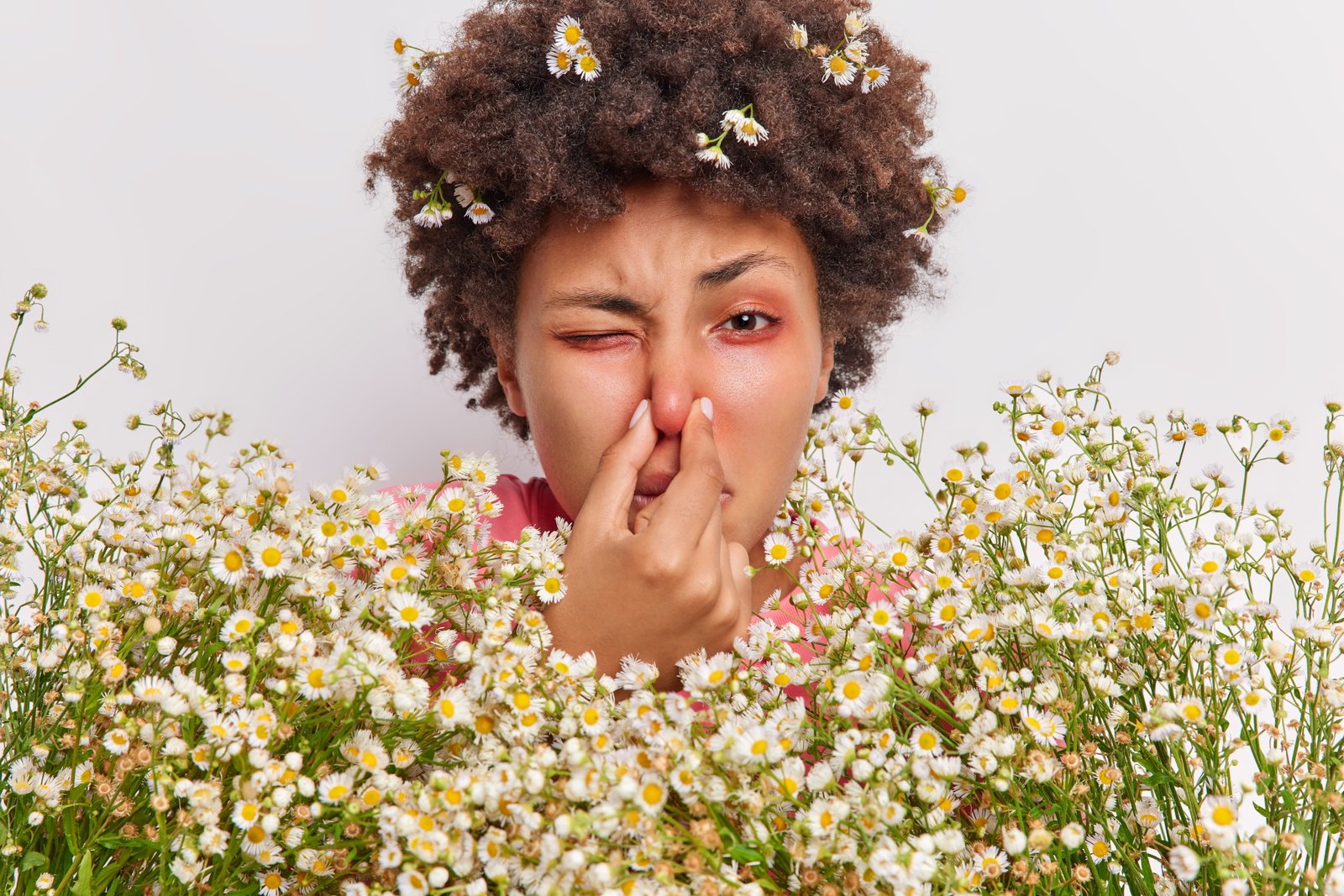
You will likely experience a persistent runny or stuffy nose that does not go away. Your mucus will usually stay clear rather than turning thick or yellow. Sneezing in rapid succession is another classic sign that your immune system is overreacting.
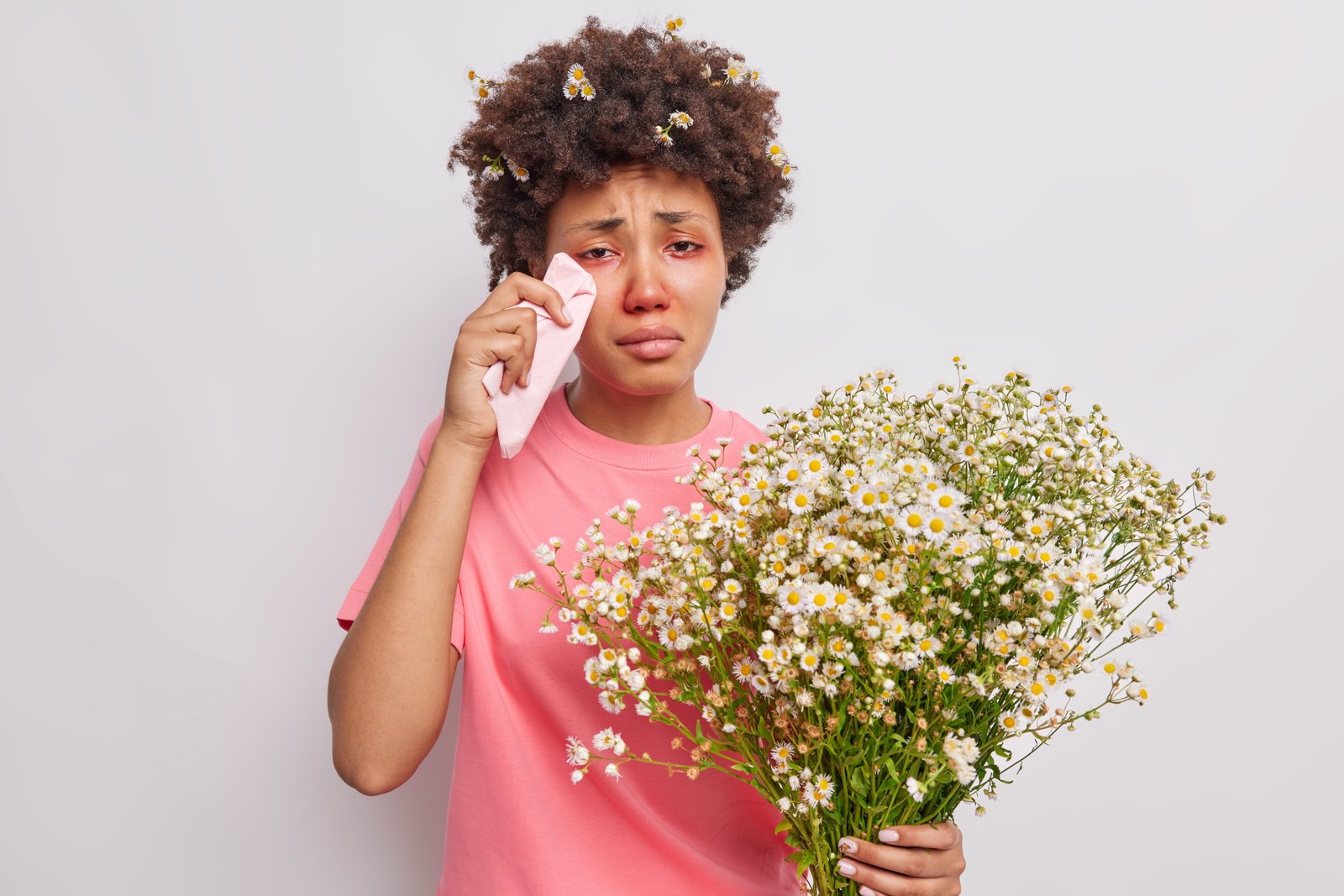
Itchy, watery eyes are perhaps the most annoying part of the spring allergy symptoms list. Your eyes may look red and feel like they have sand in them. This happens because pollen lands directly on the moist surface of your eyes.
Congestion is also a major issue that leads to pressure in your forehead and cheeks. This pressure often causes a spring allergy symptom, a headache, that can ruin your entire day.
A dry spring allergy symptom, cough, is very common when pollen irritates the throat. You might also feel spring allergy symptoms, like a sore throat from post-nasal drip at night. This occurs when mucus drips down the back of your throat while you sleep.
It creates a scratchy feeling that makes it hard to swallow in the morning. These symptoms are frustrating, but they are manageable with the right seasonal allergy treatment plan.
Pediatric Care and Allergy Management
Parents often ask how long seasonal allergies last in kids during the year. The answer depends on the specific pollen triggers that affect your child. Some children only suffer for a few weeks, while others struggle all through the summer.
You should monitor the local pollen counts on weather apps to track their exposure. Kids are often more sensitive because they spend more time playing outside in the grass.
You might wonder when to take your child to urgent care for allergies. You should seek medical help if your child has trouble breathing or starts wheezing. A high fever is usually a sign of an infection rather than just a simple allergy.
If their symptoms do not improve with basic medicine, then you need an expert opinion. You can find professional help at Deptford Medical Center for your family’s needs.
Their team offers specialized pediatric primary care to help manage these difficult seasons. Their staff can perform tests to find exactly what is making your child sick. You can call them or schedule an appointment today. Taking action early prevents your child from missing school or sports activities.
Effective Strategies for Symptom Relief
Finding the best spring allergy medicine depends on your specific set of symptoms. Antihistamines are great for stopping the itch and the constant sneezing. Nasal sprays are often better for clearing up heavy congestion and stuffiness.
You should look for non-drowsy formulas if you need to stay alert at work. Many people find that saline rinses help wash the pollen out of their nose.
You can also make small changes to your home to reduce your daily exposure. It is smart to take a shower and wash your hair after spending time outdoors. This removes the pollen that sticks to your skin and clothes during the day.
Use a high-quality air filter in your bedroom to keep the air clean while you sleep. Keep your pets clean since they often carry pollen into the house on their fur.
What are the symptoms of a spring allergy?
The most common signs include sneezing and a very itchy nose or throat. You will also notice clear drainage from your nose and red eyes. Some people feel very tired because their bodies are working hard to fight the pollen.
Why do I suddenly have allergies in spring?
Your immune system may have become sensitive to a specific plant over time. Changes in the environment also mean there is more pollen in the air than before. Even adults can develop new allergies later in life due to these shifts.
What are the most common allergies in spring?
Tree pollen from oak and maple is the top cause for most people. Grass and certain types of outdoor mold are also very common triggers. Dust mites can also become more active as the humidity levels rise.
What works best for spring allergies?
A combination of avoiding triggers and using the right medicine works the best. Starting your treatment before the season peaks is a very important strategy. Consult with a doctor to find a plan that fits your specific health needs.
Parting Wisdom
During the allergy season, managing your health is a proactive approach. The shifting climate means it’s time to stay ahead of the change. Work with your triggers and begin the treatment and precautions early. With consistent care and medical help, you can enjoy the outdoors in summer 2026 again. Your well-being is worth the effort of a dedicated management plan.