
When a urine sample cannot be tested immediately, one of the first questions people ask is, “How long can you keep pee for a urine test?” The answer depends on several factors, including how the sample is stored and how soon it reaches the laboratory.
Freshly collected urine provides the most reliable specimen because it closely reflects the body’s current chemical composition. However, there are situations where testing may be delayed due to transport, laboratory processing times, or medical appointments.
In these cases, proper storage becomes essential to preserve the quality of the sample Urine is a biological specimen that naturally changes after collection.
Bacteria can multiply, temperature drops, and certain chemical properties begin to alter over time. If these changes become significant, they may affect the integrity of the sample and reduce its suitability for laboratory analysis.
To minimize these changes, healthcare providers and accredited laboratories follow strict specimen handling procedures. Samples may be refrigerated or stored under controlled conditions until testing can be performed. In addition, laboratories carry out specimen validity checks to confirm that the urine remains suitable for analysis.
This article explains how long a urine sample can typically be kept, why storage conditions matter, how laboratories assess specimen quality, and what can cause a urine sample to become unsuitable for testing.
How Long Can You Keep Pee Before a Urine Test?
The length of time a urine sample remains suitable for testing depends largely on how it is stored. A fresh sample is always preferred, but appropriate storage can help preserve its quality if testing is delayed.
- Freshly Collected Urine
A newly collected urine specimen offers the most accurate representation of the body’s current condition. For this reason, healthcare providers generally recommend delivering the sample to the laboratory as soon as possible after collection.
Prompt testing reduces the likelihood of natural physical and chemical changes that may occur over time.
- Urine Stored at Room Temperature
When left at room temperature, urine gradually begins to change. Although it may remain suitable for a limited period, prolonged storage allows bacteria to multiply and can alter the specimen’s chemical composition.
As time passes, changes may include:
- Increased bacterial growth
- Altered acidity (pH)
- Changes in colour
- Stronger odour
- Breakdown of certain naturally occurring compounds
Because these changes may affect laboratory analysis, extended room-temperature storage is generally avoided whenever possible.
- Refrigerated Urine Samples
If immediate testing cannot be arranged, refrigeration is commonly used to help preserve the specimen.
Cooling the sample slows bacterial growth and reduces many of the natural changes that occur after collection. Healthcare providers and laboratories frequently recommend refrigeration when there will be a delay before analysis.
The sample should remain sealed in its original sterile collection container to reduce the risk of contamination during storage.
- Frozen Urine Samples
Freezing is not routinely required for standard urine testing, but it may be used in certain laboratory or research settings where specimens need to be preserved for longer periods.
Because freezing and thawing can affect some physical and chemical characteristics of urine, laboratories use validated procedures whenever frozen specimens are analyzed.
For most routine urine tests, prompt testing or refrigerated storage remains the preferred approach.
Why Does Urine Change After Collection?
Many people assume that urine remains unchanged once it has been collected. In reality, it is a biological fluid that continues to undergo natural changes outside the body.
Understanding these changes explains why proper storage is so important for obtaining reliable laboratory results.
Bacterial Growth
Although urine inside the bladder is typically free from significant bacterial contamination, bacteria from the surrounding skin or the environment may enter the specimen during collection.
Once outside the body, these bacteria can multiply, particularly if the sample is kept at room temperature. Increased bacterial activity may alter the chemical composition of the urine and affect certain laboratory measurements.
Changes in Temperature
Fresh urine leaves the body at approximately body temperature. As it cools, some of its physical characteristics naturally change.
Temperature is one of the first factors assessed during many urine collections because it helps confirm that the specimen was collected appropriately and handled according to established procedures.
Changes in pH
The acidity or alkalinity of urine, known as its pH, may gradually change after collection.
These changes can occur because of bacterial activity or prolonged storage and may influence certain aspects of laboratory analysis if the specimen is not preserved correctly.
Chemical Breakdown
Urine contains a variety of naturally occurring substances, including proteins, hormones, and metabolic waste products.
Over time, some of these compounds begin to break down, particularly if the sample is exposed to unsuitable temperatures or prolonged storage. This is one reason why laboratories aim to process specimens promptly whenever possible.
Exposure to Air
Leaving a specimen container open increases the risk of contamination and evaporation.
Air exposure may introduce environmental microorganisms or allow some components of the urine to change concentration. Keeping the collection container tightly sealed helps preserve specimen integrity during storage and transport.
Contamination During Handling
Improper handling can affect the quality of a urine sample.
Examples include:
- Using an unclean collection container
- Touching the inside of the container or lid
- Allowing foreign substances to enter the specimen
- Failing to seal the container immediately after collection
Following the collection instructions provided by your healthcare provider helps minimize these risks and supports accurate laboratory testing.
Why Proper Storage Matters
Every urine sample tells a story about the body’s current state. To ensure that this information remains accurate, laboratories rely on proper collection, storage, and transport procedures.
Whether the sample is being tested for a medical condition, routine health screening, or drug analysis, preserving specimen integrity is essential. Appropriate storage reduces the risk of bacterial growth, chemical changes, and contamination, allowing healthcare professionals to interpret the results with greater confidence.
Does Refrigerating Urine Keep It Suitable for Testing?
Yes, refrigeration is one of the most effective ways to preserve a urine sample when immediate laboratory testing is not possible. Lower temperatures slow the natural changes that occur after collection, helping maintain the specimen’s integrity until it can be analyzed.
Healthcare providers and laboratories routinely refrigerate urine samples if there is likely to be a delay in transport or testing. However, refrigeration is not intended to replace timely analysis. Fresh specimens remain the preferred choice whenever possible.
Why Refrigeration Helps
Once urine leaves the body, it begins to undergo physical and chemical changes. Refrigeration slows many of these processes by reducing bacterial growth and helping preserve the sample’s chemical composition.
Proper cooling can help maintain:
- Sample stability
- Chemical characteristics
- Physical appearance
- Overall specimen quality
While refrigeration extends the period during which a sample remains suitable for testing, laboratories still assess specimen integrity before analysis.
Best Practices for Refrigerating a Urine Sample
If your healthcare provider instructs you to refrigerate a urine sample before delivering it to the laboratory, follow these general recommendations:
- Use only the sterile collection container provided.
- Seal the lid tightly immediately after collection.
- Label the specimen if instructed.
- Keep the container upright to prevent leakage.
- Deliver the sample as soon as possible according to the laboratory’s instructions.
Proper handling helps reduce contamination and preserves the quality of the specimen.
Can You Freeze Urine for a Urine Test?
Freezing urine is generally reserved for specific laboratory or research purposes rather than routine urine testing.
In specialized settings, laboratories may freeze specimens that need to be stored for extended periods before further analysis. Strict protocols are used to ensure the specimen remains suitable for the intended tests.
For routine medical or workplace urine testing, however, freezing is usually unnecessary. Fresh or appropriately refrigerated samples are typically preferred because repeated freezing and thawing may alter certain physical or chemical characteristics of urine.
If you are collecting a urine sample for a healthcare provider, always follow the storage instructions provided by the testing facility rather than deciding independently whether refrigeration or freezing is appropriate.
How Do Laboratories Know If a Urine Sample Is Too Old?
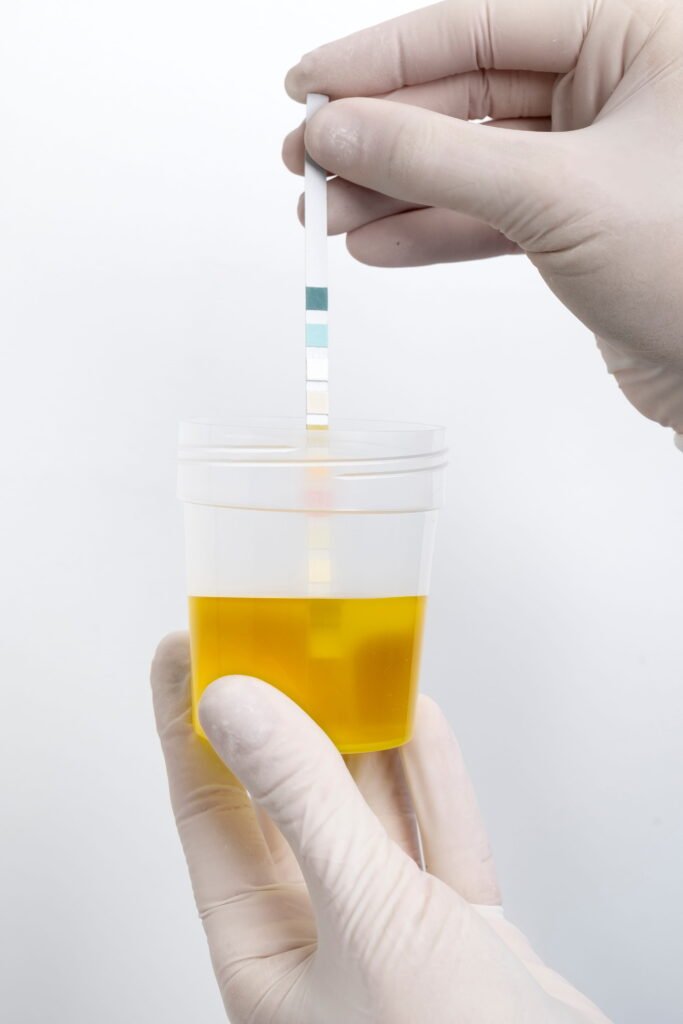
Before performing laboratory analysis, technicians assess whether the specimen remains suitable for testing. This process is known as specimen validity assessment.
Rather than relying on a single indicator, laboratories evaluate several characteristics to determine whether the sample has maintained its integrity during storage and transport.
Temperature Assessment
For specimens collected under supervised conditions, temperature is often checked shortly after collection.
Fresh urine falls within an expected temperature range. A specimen that falls outside this range may require additional evaluation to determine whether collection or handling procedures were followed correctly.
Visual Examination
Laboratory staff also inspect the urine before testing.
They may assess:
- Colour
- Clarity
- Presence of sediment
- Visible contamination
- Unusual appearance
Although visual inspection alone cannot determine whether a sample is suitable, it provides useful information when combined with other laboratory assessments.
pH Measurement
Urine normally falls within a recognized pH range.
If storage conditions have allowed bacterial growth or other chemical changes to occur, the pH may differ from what laboratories typically expect. Measuring pH helps support specimen quality assessment.
Creatinine and Specific Gravity
Many laboratories measure creatinine and specific gravity during specimen validity testing.
These measurements help determine whether the urine falls within expected physiological ranges and whether the sample has maintained its normal characteristics.
Abnormal results do not automatically indicate a problem, but they may prompt additional evaluation before laboratory findings are reported.
Specimen Validity Testing
Modern laboratories use a combination of physical, chemical, and procedural checks to determine whether a urine sample is appropriate for analysis.
This comprehensive approach helps ensure that reported test results are based on a specimen that has been collected, transported, and stored according to accepted laboratory standards.
What Can Make a Urine Sample Invalid?
Although most urine specimens are suitable for testing when collected correctly, certain factors may affect their quality. If a laboratory determines that the integrity of the sample has been compromised, a repeat specimen may be requested.
- Improper Storage
Storing urine under unsuitable conditions is one of the most common reasons specimen quality may decline.
Examples include:
- Prolonged storage at room temperature
- Exposure to excessive heat
- Failure to refrigerate when instructed
- Using unsuitable storage containers
These conditions can encourage bacterial growth and chemical changes that may affect laboratory analysis.
- Contamination
Urine samples can become contaminated during collection or handling.
Possible sources of contamination include:
- Touching the inside of the collection container
- Using non-sterile containers
- Allowing foreign substances to enter the specimen
- Leaving the container open after collection
Using the sterile container supplied by the healthcare provider and sealing it immediately helps minimize these risks.
- Delayed Transport
Even when a sample has been collected correctly, excessive delays before laboratory processing may affect specimen quality.
Healthcare providers generally recommend delivering urine samples promptly so they can be analyzed while the specimen remains in optimal condition.
- Insufficient Sample Volume
Laboratories require enough urine to complete all requested analyses.
If too little urine is provided, additional testing may not be possible, and another specimen may be requested.
- Collection Errors
Occasionally, problems occur during specimen collection or documentation.
Examples include:
- Incorrect labelling
- Damaged containers
- Leaking specimens
- Missing identification details
Following the collection instructions carefully helps avoid unnecessary delays and repeat testing.
Failure to Meet Laboratory Quality Standards
Every accredited laboratory follows quality assurance procedures designed to maintain accurate and reliable results.
If a specimen does not meet these standards, the laboratory may recommend collecting a new urine sample before testing proceeds.
Why Specimen Integrity Is So Important
Accurate laboratory results depend not only on sophisticated testing equipment but also on the quality of the specimen being analyzed.
A well-collected and properly stored urine sample provides healthcare professionals with reliable information that supports diagnosis, treatment decisions, and medical monitoring. By following collection instructions carefully and delivering the specimen promptly, patients help ensure that laboratory findings are as accurate as possible.
Tips for Proper Urine Sample Storage
If you have been asked to provide a urine sample for medical testing, following the correct collection and storage instructions can help ensure accurate laboratory results. While healthcare providers and laboratories are responsible for analyzing the specimen, patients also play an important role in maintaining its quality before it reaches the laboratory.
The following practical tips can help preserve the integrity of a urine sample.
- Use the collection container provided
Always collect the specimen in the sterile container supplied by your healthcare provider or laboratory. These containers are specifically designed for specimen collection and help reduce the risk of contamination.
Avoid transferring the urine into another bottle or household container, as this may introduce bacteria or other substances that could affect the sample.
- Wash Your Hands Before Collection
Good hand hygiene helps minimize the risk of contaminating the specimen.
Wash your hands thoroughly with soap and water before collecting the sample, then avoid touching the inside of the container or its lid.
Seal the Container Immediately
Once the sample has been collected, close the lid tightly to prevent leaks and reduce exposure to air.
A properly sealed container also helps protect the specimen during transport.
- Follow Storage Instructions Carefully
If you cannot deliver the specimen immediately, follow the instructions provided by your healthcare provider or laboratory.
Depending on the type of test being performed, you may be advised to refrigerate the sample until it can be transported. Always follow the guidance given for your specific test.
- Deliver the Sample Promptly
Even when stored correctly, urine samples should reach the laboratory as soon as possible.
Prompt delivery reduces the likelihood of natural changes occurring within the specimen and helps ensure reliable test results.
When Should a New Urine Sample Be Collected?
In some situations, a healthcare provider or laboratory may request a repeat urine sample. This does not necessarily mean there is a problem with your health or that the test result is abnormal. Instead, it often reflects the laboratory’s commitment to obtaining a specimen that meets quality standards.
Below are some common reasons why another sample may be required.
- The sample was contaminated
A specimen may become contaminated if bacteria, foreign materials, or other substances enter the collection container.
Contamination can interfere with laboratory analysis, making it difficult to obtain accurate results.
- The Sample Was Not Stored Correctly
Improper storage can affect the integrity of urine.
For example, prolonged exposure to unsuitable temperatures or delays in transport may allow natural physical and chemical changes to occur. If the laboratory believes these changes could influence the results, a new specimen may be requested.
- There Was Not Enough Urine
Some laboratory tests require a minimum volume of urine.
If an insufficient amount is collected, the laboratory may be unable to complete all requested analyses and may ask for another specimen.
- The Container Was Damaged or Leaking
A damaged collection container or evidence of leakage during transport may compromise specimen quality.
To avoid this, always ensure the lid is securely fastened before transporting the sample.
- Identification or Labelling Errors
Every urine specimen must be correctly identified to ensure the results are matched to the right patient.
Missing or incorrect labels may prevent the laboratory from processing the specimen until a replacement sample is collected.
Frequently Asked Questions
Can urine be kept overnight before a urine test?
It depends on the instructions provided by your healthcare provider or laboratory. If testing cannot take place immediately, urine may be stored under appropriate conditions to help preserve its quality. However, fresh specimens are generally preferred because they undergo fewer natural changes.
Why is a fresh urine sample usually preferred?
Fresh urine provides the most accurate representation of the body’s current condition. As time passes, natural changes such as bacterial growth and alterations in chemical composition may occur, which is why laboratories aim to analyze specimens as soon as practical.
Does the type of urine test affect how the sample is stored?
Yes. Different urine tests may have different collection and storage requirements. For example, routine urinalysis, urine culture, and specialized laboratory tests may each have specific handling instructions. Always follow the guidance provided by your healthcare professional or laboratory.
What happens after the laboratory receives my urine sample?
Once the specimen arrives, laboratory staff verify the patient’s details, assess the condition of the sample, and prepare it for analysis. Depending on the test requested, they may perform physical, chemical, or microscopic examinations before reporting the results to the requesting healthcare provider.
Can improper storage affect urine test results?
Yes. Poor storage conditions may alter the specimen’s physical or chemical properties, which could affect the accuracy of certain laboratory tests. Proper collection, storage, and prompt transport help maintain specimen integrity.
Should I follow different storage instructions for a home testing kit?
Home urine testing kits may have manufacturer-specific instructions that differ from those used by clinical laboratories. Always read the instructions supplied with the kit and contact the manufacturer or your healthcare provider if you are unsure how the sample should be handled.
Conclusion
If you have been wondering, “How long can you keep pee for a urine test?” the most important point to remember is that proper storage matters just as much as prompt testing.
A freshly collected urine sample provides the most reliable specimen for laboratory analysis. However, when testing cannot be carried out immediately, appropriate storage procedures—such as refrigeration when advised—can help preserve the sample’s quality until it reaches the laboratory.
Because urine naturally changes after collection, healthcare providers and accredited laboratories follow established procedures to protect specimen integrity. They also perform validity assessments before testing to ensure the sample remains suitable for analysis.
Whether your urine sample is being collected for routine health screening, diagnosis, or another medical purpose, following the collection and storage instructions provided by your healthcare provider is the best way to support accurate and dependable results.
Key Takeaways
- A fresh urine sample is generally preferred for laboratory testing.
- Urine naturally changes after collection due to bacterial growth and chemical changes.
- Refrigeration can help preserve a specimen when testing is delayed, if recommended by the laboratory.
- Proper collection, storage, and transport are essential for maintaining sample integrity.
- Laboratories assess specimen quality before testing to ensure reliable results.
If a sample is contaminated, improperly stored, or does not meet laboratory quality standards, a repeat specimen may be requested.