If you’re pregnant or planning to get pregnant soon, the question of whether to get vaccinated during pregnancy may weigh heavily on your mind. It’s normal to feel cautious during this journey. While there is a lot of information out there, not all of it is reliable.
The reassuring part? Recently, the vaccines introduced comply with health and safety standards for pregnant women and their fetuses. All recent vaccines require FDA approval and are recommended by organizations such as ACOG and SMFM based on extensive safety data. They prepare these guidelines based on years of careful monitoring and real-world data from millions of pregnancies.
Why Vaccination Makes Sense During Pregnancy
It is natural for a woman’s body to undergo significant changes. Firstly, the immune system shifts to support the pregnancy, which can make you more vulnerable to certain infections. The shift often is a window that leaves you vulnerable to infections like the flu, whooping cough, COVID-19, and RSV.
These illnesses can sometimes lead to serious issues, hospital stays, preterm delivery, or even risks for the newborn. The right vaccines build protection without exposing you or your baby to the actual disease. Many even pass helpful antibodies to your little one before birth, giving them early defenses.
The main ones recommended include the following vaccinated during pregnancy:
- Tdap (for tetanus, diphtheria, and pertussis/whooping cough): Ideally, between 27 and 36 weeks to protect your newborn from whooping cough, which can be especially dangerous in the first months.
- Flu vaccine: Anytime during flu season—get it as soon as it’s available, no matter the trimester.
- COVID-19 vaccine (updated versions): Safe at any point in pregnancy.
- RSV vaccine (Abrysvo): Typically, between 32 and 36 weeks during RSV season (often fall/winter) to guard against severe RSV in infants.
These aren’t new or untested ideas; decades of data back their safety and benefits.
Fresh 2026 Insights on COVID-19 Vaccines
One notable update was presented at the Society for Maternal-Fetal Medicine’s 2026 Pregnancy Meeting in Las Vegas.
Researchers shared results from a recent multi-center study presented at the meeting. The study followed toddlers whose mothers received mRNA COVID-19 vaccines during pregnancy and compared them to children whose mothers were not vaccinated.
Approximately half of the children were born to vaccinated mothers, and half were not. About half of the children were born to mothers who received an mRNA COVID-19 vaccine during pregnancy, while the other half were not.
According to the findings, there were no differences in neurodevelopment. Using standard tools like the Ages and Stages Questionnaire, kids in both groups scored similarly, and there were no increased risk of autism, communication delays, or issues with motor skills, social skills, or other areas.
Senior researcher George R. Saade, MD, summed it up:
“Neurodevelopmental outcomes were the same whether moms were vaccinated or not. This adds strong reassurance against concerns about long-term effects on kids.”
Also, large-scale studies have not found increased risks of miscarriage, preterm birth, stillbirth, or birth defects associated with recommended vaccines. Studies show maternal vaccination reduces the risk of severe COVID-19 and lowers infant hospitalization rates in early life.
Side effects? Usually mild, like a sore arm or tiredness; nothing out of the ordinary.
What About RSV Vaccine Safety?
Respiratory syncytial virus, or RSV, hits newborns hard, often causing serious breathing problems. The maternal RSV vaccine helps prevent that by passing protection to the baby.
Real-world studies in 2026 have been encouraging. One large analysis (over 54,000 pregnancies) found no significant rise in preterm birth, hypertensive disorders, or membrane rupture issues when given in the recommended window.
These findings address earlier trial questions and support the vaccine’s safety profile in real-world settings.
Flu, Tdap, and Overall Safety
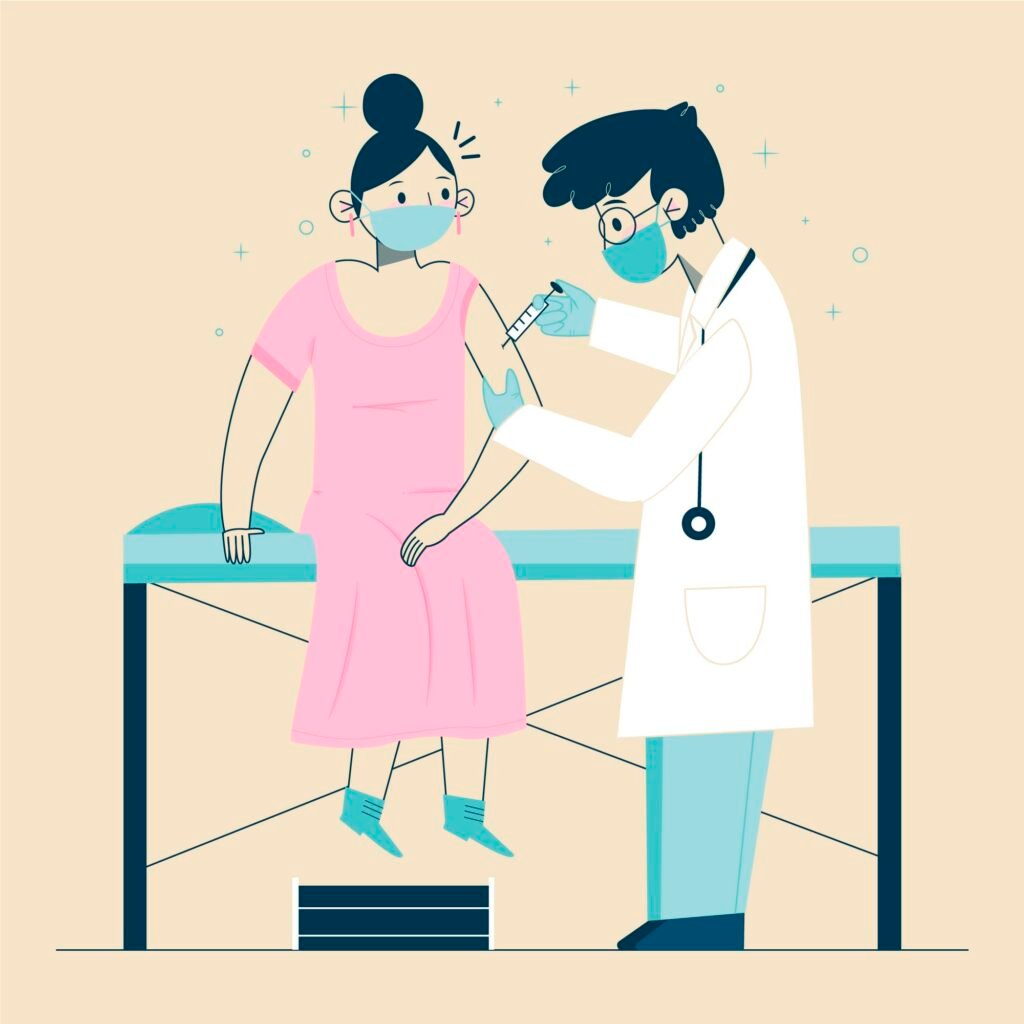
Flu and Tdap have long track records with no new concerns. According to ACOG‘s updated 2025–2026 guidelines, it emphasizes checking vaccination status at prenatal visits and offering these shots routinely.
These reduce hospitalizations and frequent flu attacks and protect newborns effectively.
Live vaccines such as MMR are still not recommended during pregnancy. Inactivated vaccines recommended during pregnancy are considered safe.
Tackling Common Worries
It’s completely understandable to have questions. A lot of hesitation comes from things people read online, especially claims about autism or fertility. The good news is that large, well-designed studies have not found evidence supporting those concerns.
The recent 2026 toddler study looking at COVID-19 vaccines during pregnancy found no differences in neurodevelopment between children of vaccinated and unvaccinated mothers. Findings like this help provide added reassurance for families who are unsure.
Health agencies like the CDC continue to closely monitor vaccine safety. So far, the data consistently show that the benefits, protecting moms from severe illness and helping safeguard newborns, outweigh the rare risks.
At the end of the day, every pregnancy is unique. If you have allergies, underlying health conditions, or a history of vaccine reactions, have an open conversation with your OB-GYN or healthcare provider. They can help you make the decision that feels right for you and your baby.
Final Thoughts
The latest 2026 results, from the large COVID neurodevelopment study to real-world RSV data, continue to point in the same direction. Recommended vaccines during pregnancy are safe, effective, and one of the smartest ways to protect yourself and your baby. It’s about making informed choices with solid facts behind them.
If you’re unsure, start a conversation with your healthcare provider. Deptford Medical Center provides you with complete information to help you make an informed decision.