
A baby’s fever at 2 a.m. feels terrifying, but most infant fevers from common viral infections last just 24 hours to 3 or 4 days.
Still, the rules change completely based on your baby’s age. A fever safe to watch at home in a 10-month-old can mean an ER visit for a 6-week-old. Knowing the difference matters most.
For guidance specific to your baby, visit Deptford Medical Center.
Normal Baby Temperature and What Counts as a Fever
Most parents check the temperature under the arm first. The normal baby temperature armpit range falls between 97.8°F and 99.5°F. Armpit readings run about 1 degree lower than core temperature, so they work as a first screening step only.
Pediatricians define a true fever as a rectal temperature of 100.4°F or higher. For armpit readings, 99°F or above means you should confirm with a rectal thermometer, which gives the most accurate result for babies under 1 year old.
Typical Fever Duration in Infants
Most infant fevers from common viral infections last 24 hours to 3 or 4 days. Viruses cause roughly 10 times more infant infections than bacteria, according to St. Louis Children’s Hospital.
Some fevers may last up to a week if symptoms stay mild. Fever may be the only symptom for 2 or 3 days in some viral cases. Roseola is a clear example.
A baby runs a high fever for 2 to 3 days, and then a rash appears once the fever breaks. Bacterial infections like UTIs tend to cause longer fevers without treatment.
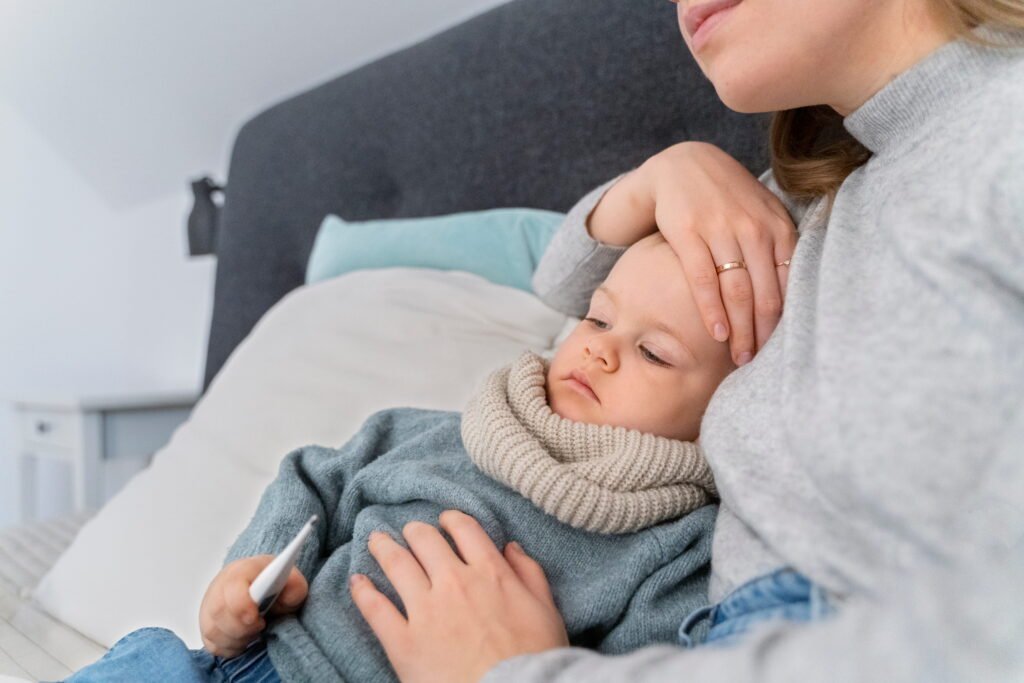
Fever Duration Rules by Age
- Under 3 months old: Any rectal temperature of 100.4°F or higher needs emergency evaluation immediately. The AAP confirms babies this young have immature immune systems and can develop serious infections quickly. About 14 out of every 1,000 healthy, full-term infants develop a fever between 8 and 60 days of age. Always treat this as a medical emergency.
- 3 to 6 months old: Call your doctor right away for any fever above 100.4°F or above 102°F with other symptoms.
- 6 months to 2 years old: Call your doctor if the fever lasts more than 24 hours, even if your baby seems fine.
- 2 years and older: Fever with worsening symptoms lasting more than 2 to 3 days needs urgent care. Any fever beyond 5 days needs medical evaluation.
Is 99.7 a fever for a 4-month-old?
If 99.7°F came from an armpit reading, it sits above the normal baby temperature armpit range and needs rectal confirmation. If that rectal temperature reads 100.4°F or higher, your 4-month-old has a true fever and needs a same-day call to your pediatrician. If the reading comes back lower but your baby seems unwell, call anyway.
Why Do Fevers Spike at Night?
Body temperature naturally peaks between 4 p.m. and 10 p.m. due to the body’s circadian rhythm. When your baby has a fever, that natural evening rise stacks on top of it. During sleep, cytokines increase to fight infection while cortisol, the hormone that lowers inflammation, drops. These two factors push temperatures higher at night. This is the immune system working well, not a sign things are getting worse.
How to Reduce Fever in a Baby Naturally?
Fevers below 102°F in babies over 3 months rarely need medicine. Keep your baby lightly dressed since heavy layers trap heat. Offer more fluids consistently. Breastfed babies should nurse more often, and Pedialyte works well for babies over 6 months.
Use a lukewarm sponge bath to cool the skin gently. Never use cold water or alcohol rubs, as both cause shivering, which raises the temperature further.
For fevers above 102°F in babies over 3 months, acetaminophen at the correct weight-based dose is safe. Ibuprofen works for babies over 6 months. Never give aspirin to a baby.
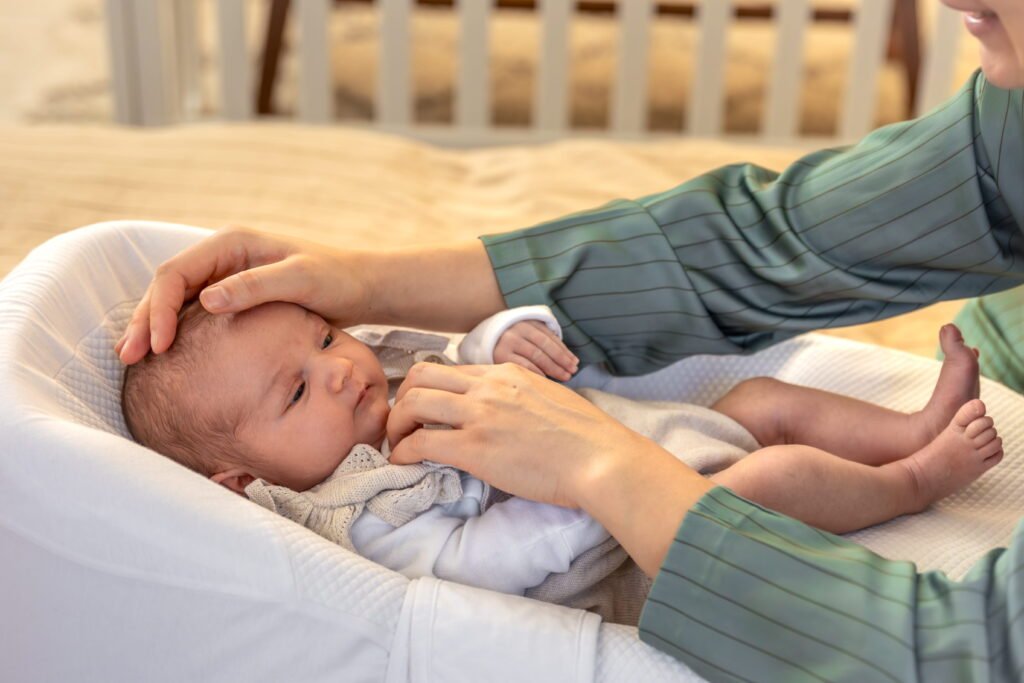
What to Do When Baby Has a Fever at 1 Year Old?
Call your doctor if your fever tops 102°F and lasts more than 24 hours. Also call if your baby refuses fluids, has fewer wet diapers, or is hard to wake. Watch for dehydration signs, including no tears, dry mouth, and sunken eyes. Track temperature every 4 hours and note the readings to share with your doctor.
When to Go to the ER for Baby Fever?
Go to the ER immediately if your baby is under 3 months old and has a fever of 100.4°F or higher. Also, go for a fever above 104°F not responding to medicine, a seizure, stiff neck, bulging soft spot, purple skin spots that do not fade when pressed, or severe breathing difficulty. Go if your baby goes limp or is impossible to wake. These signs point to serious infections like meningitis or sepsis and need fast action.
When Should I Take My Infant to Urgent Care?
Take your infant to urgent care when your baby is 3 months to 2 years old, has a fever above 100.4°F lasting more than 24 hours, and you cannot reach your regular pediatrician. Also, go for fever with a rash, ear infection signs, or worsening symptoms over 2 to 3 days. Babies under 3 months skip urgent care entirely and go straight to the ER.
Is 3 days of fever normal in babies?
Yes, for babies over 3 months, 3 days from a viral infection is common. Call your doctor if your baby is under 2 years or if symptoms worsen on day 3.
How long is too long for an infant’s fever?
More than 24 hours in a baby under 2 years warrants a doctor call. Any fever lasting beyond 5 days needs medical evaluation.
Is 99.7 a fever for a 4-month-old?
Under the armpit, yes, it is above normal. Confirm with a rectal thermometer and call your doctor if it reads 100.4°F or higher.
Why do fevers spike at night?
The circadian rhythm peaks in temperature in the evening, and sleep raises immune activity while lowering cortisol, which drives fevers higher overnight.
When to go to the ER for a baby’s fever?
Go immediately for fever in a baby under 3 months, fever above 104°F, seizure, stiff neck, breathing trouble, or limpness.
How to reduce a fever in a baby naturally?
Dress lightly, offer extra fluids, and use a lukewarm sponge bath. Use acetaminophen only for fevers above 102°F in babies over 3 months.
What to do when a baby has a fever at 1 year old?
Track temperature every 4 hours, keep fluids going, watch for dehydration, and call your doctor if fever tops 102°F or lasts more than 24 hours.
When should I take my infant to urgent care?
Go when your baby is over 3 months, has a fever lasting more than 24 hours, and you cannot reach your regular doctor.
Final Thoughts
Most infant fevers clear up within a few days on their own. But your baby’s age determines how fast you need to act. A baby under 3 months with any fever above 100. 4°F needs the ER right now. A baby over 6 months with a mild fever under 102°F usually needs fluids, rest, and close watching.
When something feels wrong, trust your instincts and call your pediatrician. The pediatric team at Deptford Medical Center is ready to help.